How Canadian Players Can Choose a Safe and Licensed Bitcoin Casino in Canada: A 2026 Guide to Security, Fair Play, and Responsible Gambling Standards
How Canadian Players Can Choose a Safe and Licensed Bitcoin Casino in Canada: A 2026 Guide to Security, Fair Play, and Responsible Gambling Standards
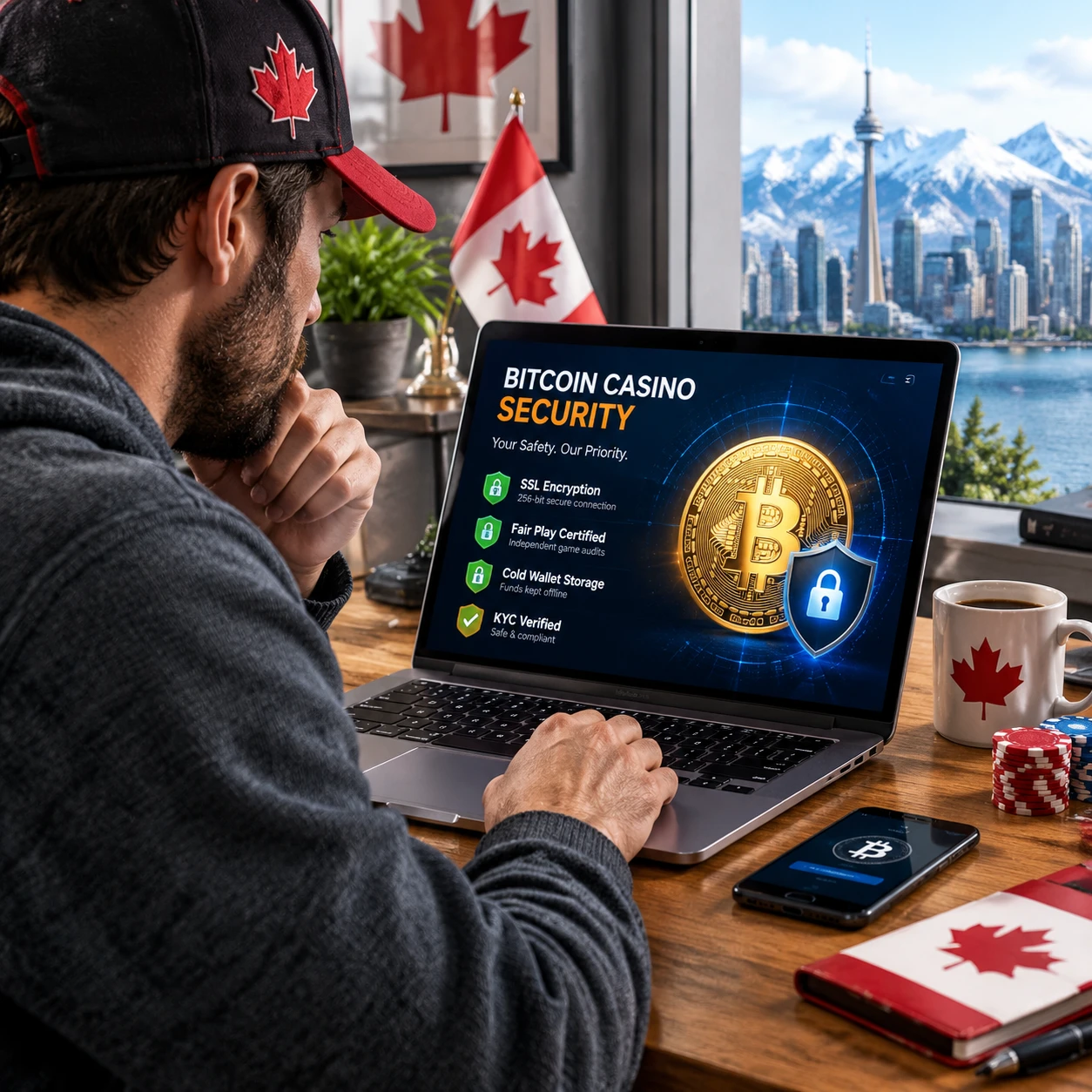
I've spent the last few years watching Canada's crypto gambling scene go from a weird niche thing to something my own cousins ask me about over turkey dinner. That's the honest timeline. By 2026, Bitcoin casinos aren't some fringe experiment anymore — they're mainstream enough that players across most provinces are quietly running funds through Lightning Network wallets instead of reaching for a debit card. Makes sense, really. The appeal is obvious: instant deposits, fast withdrawals, and a layer of privacy that traditional banking just can't touch. But here's the thing I keep repeating to anyone who'll sit still long enough to listen — speed and anonymity mean exactly nothing if the platform behind them isn't safe, licensed, and genuinely fair. This guide walks through what I personally check before I ever send a single satoshi to a new casino.
What Makes a Bitcoin Casino 'Safe' in 2026?
Safety in crypto gambling isn't some vague feeling you get off a slick homepage. It's a checklist — concrete, technical, legal. A genuinely safe Bitcoin casino operates under a valid gaming license, runs provably fair algorithms you can verify yourself, encrypts every transaction with SSL/TLS protocols, and keeps the bulk of player funds in cold wallets instead of exposed hot ones. On top of all that, the terms of service need to read like plain English, not legal fog designed to confuse you the moment a withdrawal dispute shows up.
I treat these five pillars as non-negotiable. Miss even one, and I close the tab — doesn't matter how generous the welcome bonus looks.
Licensing Bodies to Look For
Not all licenses carry equal weight, and that trips people up constantly. The Malta Gaming Authority and Curacao eGaming are the two jurisdictions crypto operators cite most, each with its own flavor of oversight and dispute resolution. Closer to home, the Kahnawake Gaming Commission — based right here in Quebec — has earned real respect as a regulator for both fiat and crypto gambling platforms serving Canadian players. Before I deposit anywhere, I scroll straight to the footer, grab the license number, and cross-check it against the regulator's public registry. Takes maybe two minutes. Has saved me from at least one sketchy platform running a fake license badge.
Why Regulatory Compliance Matters for Canadian Players
Canada's relationship with online gambling keeps shifting, and crypto throws another wrinkle into it since digital assets cross borders in ways traditional currency simply doesn't. Provinces regulate gambling operators individually, sure, but national compliance frameworks are increasingly zeroed in on anti-money-laundering standards for digital asset platforms — and that directly shapes how trustworthy a Bitcoin casino's financial practices actually are.
This is where third-party watchdog resources earn their keep. Organizations like the Investigative and Policy Advisory Council (bitcoin casino canada) publish guidance on anti-fraud standards, the kind that helps players understand what compliant operators should actually be doing behind the curtain — transaction monitoring, source-of-funds checks, reporting obligations, that sort of thing. I lean on resources like this as a sanity check against marketing fluff. If a casino's practices don't line up with recognized compliance expectations, that's a red flag I take seriously, not something I shrug off.
How to Verify Fair Play and Game Integrity
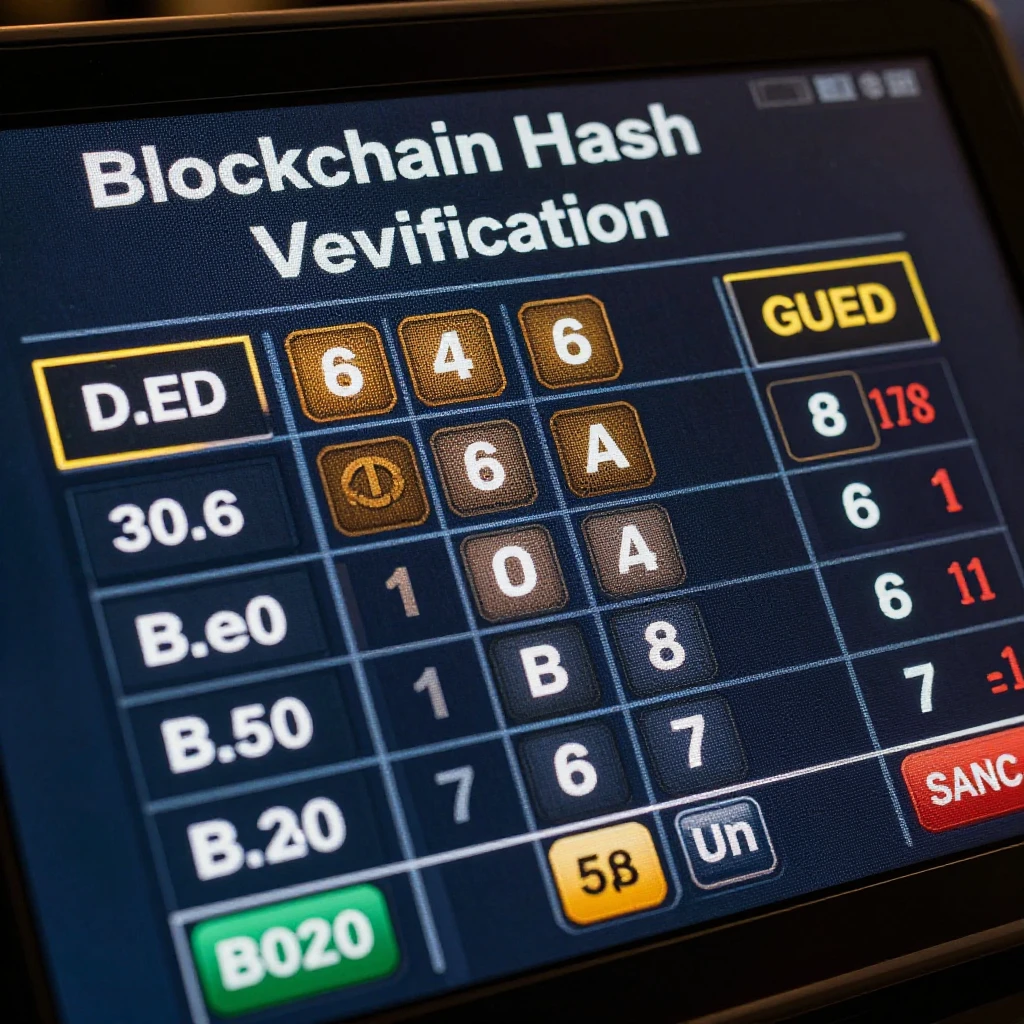
'Provably fair' gets thrown around so loosely it's almost lost meaning at this point. But the real version relies on cryptographic hash verification, and it's not complicated once you actually see it work. Before a round starts, the casino generates a server seed and shows you its hash. You combine that with a client seed of your own. After the round plays out, the original server seed gets revealed, and you run both seeds through a hash function to confirm the result matches what was shown beforehand. Matches? The outcome wasn't tampered with after you placed your bet.
I don't just take a casino's word for it, either. Most provably fair platforms bundle in a built-in verification tool — and if they don't, independent calculators online let you check the math yourself.
Checking Third-Party Audits
Beyond the provably fair math, independent auditing firms like iTech Labs and eCOGRA test random number generators and verify payout percentages against whatever figures the casino's advertising. When I spot one of these certification logos on a homepage, I click through and check the audit date. Some sites still display badges from years-old audits — which, to me, says compliance has slipped somewhere along the way.
Responsible Gambling Standards for Crypto Platforms
Fast crypto transactions make it dangerously easy to lose track of spending — and that's exactly why responsible gambling tools matter even more here than on a traditional fiat site. I look for deposit limits I can set myself, self-exclusion options that actually work platform-wide (not just locked to one game category), and reality-check pop-ups that remind me how long I've actually been sitting there.
Operators serving Canadian players should link straight to resources like ConnexOntario or the Problem Gambling Help Line — not bury them three clicks deep in a footer nobody reads. A casino that takes this seriously puts these tools front and center during account setup. Not tucked away on page 37 of a terms document nobody's finishing.
- Customizable deposit and loss limits
- Self-exclusion periods ranging from 24 hours to permanent
- Session reality checks and time tracking
- Direct links to Canadian support helplines
Red Flags and Common Mistakes to Avoid
Over time I've started noticing patterns that almost always come before a bad experience. Operators registered in obscure, unregulated jurisdictions with zero public enforcement history? Immediate red flag. So is a total absence of KYC/AML verification — crypto casinos can offer more privacy than fiat ones, sure, but legitimate operators still verify identity before large withdrawals to prevent fraud and stay compliant with financial regulations.
Other warning signs: withdrawal policies that mysteriously change depending on how much you've won, anonymous ownership with zero corporate registration details, customer support limited to one unmonitored email inbox. No live chat, no phone line during business hours? That's a dealbreaker for me, full stop.
A Step-by-Step Checklist Before You Deposit
Here's the routine I run through, every single time, before trying a new platform:
- Confirm the license number against the regulator's official registry
- Look for provably fair tools and test the verification process yourself
- Check for current iTech Labs or eCOGRA audit certificates
- Verify SSL encryption is active on the deposit and withdrawal pages
- Find and test the self-exclusion and deposit limit settings
- Read withdrawal terms carefully, especially maximum payout caps
- Search for the casino's name alongside 'withdrawal complaint' before committing
Running through this list takes maybe fifteen minutes. I've never once regretted the time spent on it. The platforms that pass every point tend to be the ones I stick with for years instead of bouncing around every few months out of frustration.
FAQ – Bitcoin Casinos in Canada
Is crypto gambling legal in Canada? Yes — Canadian players can legally gamble using cryptocurrency at licensed offshore operators, since federal law mostly targets domestic unlicensed operators, not individual players.
How do I verify a license? Visit the regulator's official website (Kahnawake, MGA, or Curacao) and search their public license registry using the number listed on the casino's footer.
What happens if a casino disputes a withdrawal? Reputable licensed operators have a formal dispute resolution process through their regulator; if the casino refuses to cooperate, you can escalate the complaint directly to the licensing authority.
Are winnings taxable? Casual gambling winnings generally aren't taxed in Canada, though frequent or professional-level play may get treated differently by the CRA depending on individual circumstances.
Choosing a safe Bitcoin casino in 2026 really comes down to patience and a willingness to check the fine print before chasing the bonus. Licensing, provable fairness, independent audits, genuine responsible gambling tools — these aren't optional extras. They're the entire foundation of a trustworthy platform. Stay curious, keep verifying, and the crypto gambling space can absolutely be enjoyed safely as regulations keep maturing across Canada.